
July 28, 2026
Author:
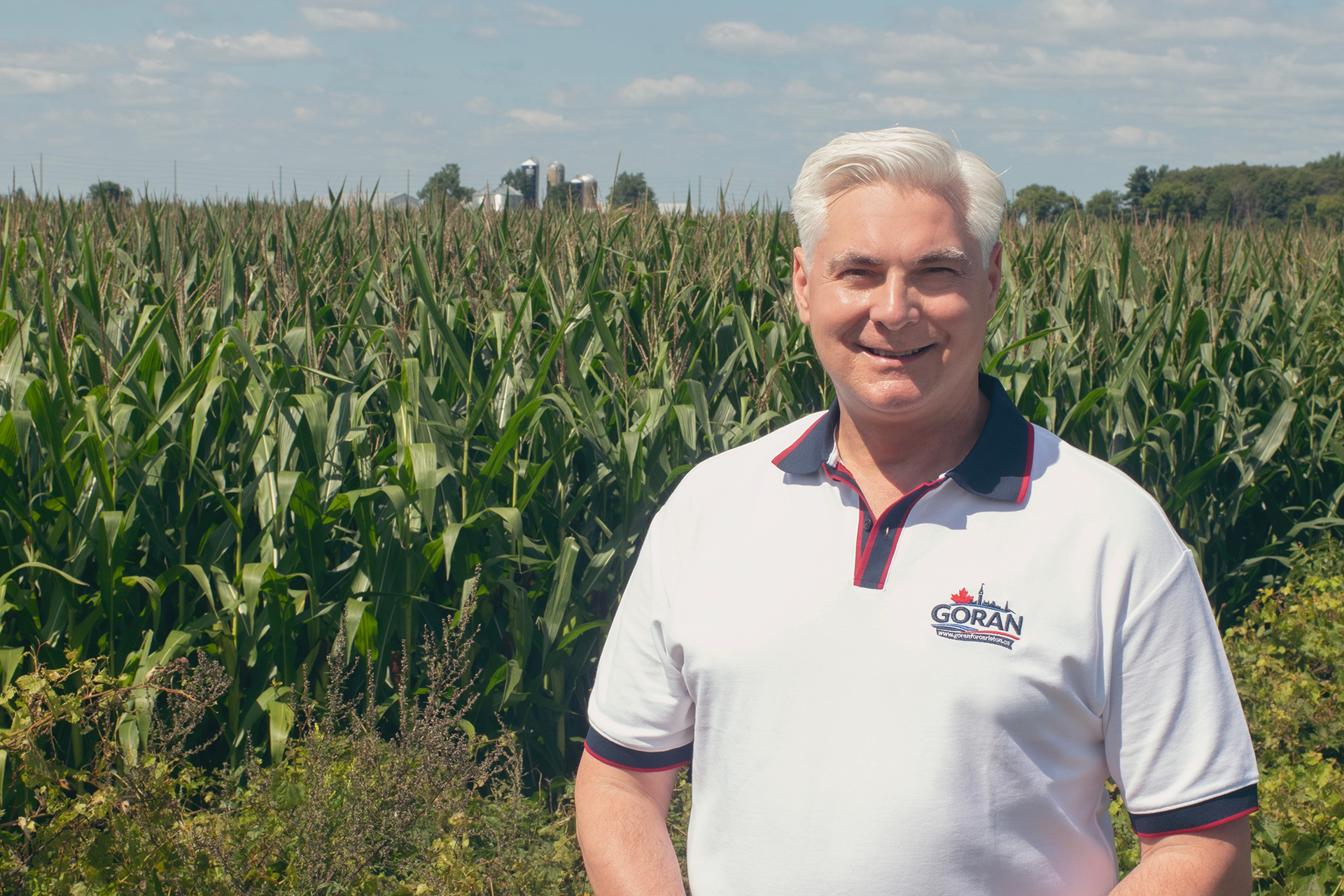
I recently had the privilege of speaking with farmers in Carleton about the pressures facing their families, their businesses and the future of agriculture in our community.
These were practical and honest conversations. We discussed supply management, rising operating costs, farm succession, rural infrastructure, government regulation and the importance of protecting productive agricultural land.
What stood out most was the pride Carleton’s farmers take in their work—and their determination to preserve it for the next generation.
Agriculture is fundamental to Carleton. Our farms create jobs, support local businesses, strengthen our rural communities and help provide Canadians with safe, reliable and locally produced food. Farming is not simply part of our riding’s history; it must remain central to its future.
Carleton is changing quickly. As new residential development moves closer to established agricultural operations, we must ensure that growth is managed responsibly. New housing and economic development are important, but they should not come at the expense of productive farmland, functioning rural roads or the ability of farmers to operate successfully.
Farmers also described the increasing cost and complexity of operating a modern agricultural business. Equipment, fuel, fertilizer, feed, labour and financing costs continue to rise. At the same time, producers must navigate extensive regulations and government programs that are often difficult and time-consuming to access.
Farmers are not asking government to operate their businesses. They want government to establish fair, predictable rules, reduce unnecessary administrative burdens and recognize the economic realities of running a family farm.
Our conversations also reinforced the importance of supply management to dairy, poultry and egg producers. Predictability allows farmers to invest in equipment, improve productivity, maintain high standards of animal care and plan for the future. Supply management does not remove the risks of farming, but it provides stability in an industry that requires substantial long-term investment.
Farm succession is another urgent concern. Many farms in Carleton represent generations of work, sacrifice and family commitment. However, rising land values, expensive equipment and complicated tax rules can make it difficult to transfer a viable farm from parents to their children.
Public policy should help keep productive farms in the hands of farming families—not make succession more difficult.
These conversations also confirmed something I have long believed: agriculture is essential to Canada’s national resilience. A country that cannot produce a dependable supply of its own food becomes increasingly vulnerable to international conflict, transportation interruptions and disruptions to global supply chains.
Protecting Canadian agriculture is therefore not only an economic priority. It is a matter of food security, sovereignty and national preparedness.
As I seek the Conservative nomination in Carleton, I am committed to continuing these conversations throughout the riding. A serious plan for Carleton must recognize the needs of its growing suburban communities while respecting the farmers, villages and rural families who have shaped this area for generations.
Winning back Carleton will require Conservatives to rebuild trust at the community level. That begins by listening, showing up and advancing practical policies that reflect the daily realities of the people who live and work here.
Carleton’s farmers deserve a strong voice in Ottawa—one that will defend supply management, protect productive farmland, support the transfer of family farms, improve rural infrastructure and work to reduce unnecessary government bureaucracy.
I am grateful to the farmers who welcomed me, shared their experiences and offered their advice. Their message was clear: strong farms create strong rural communities, and strong rural communities are essential to a strong Carleton and a strong Canada.
That is a message worth carrying to Ottawa.